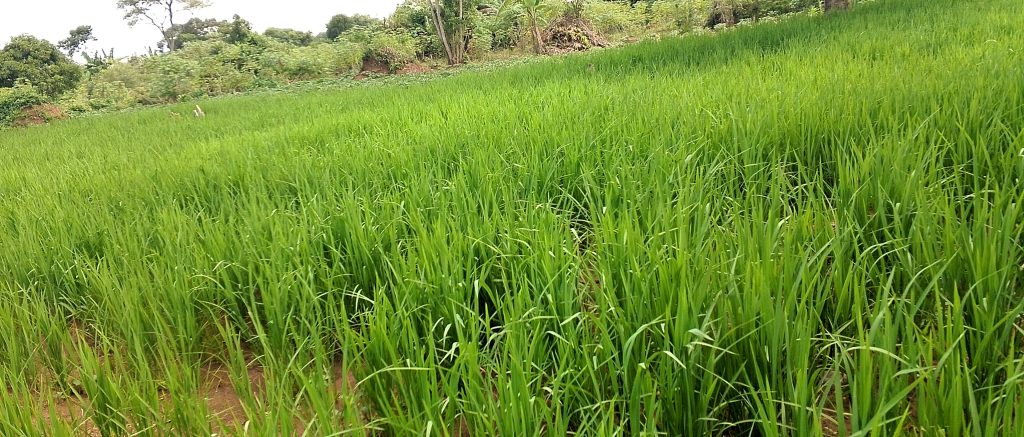
SAVIDIDO was formulated on the basis of rendering a helping hand to the marginalized and poor rural households of Luweero, Nakasongola, Nakaseke, Kiryandongo, Nwoya and Kole Districts.
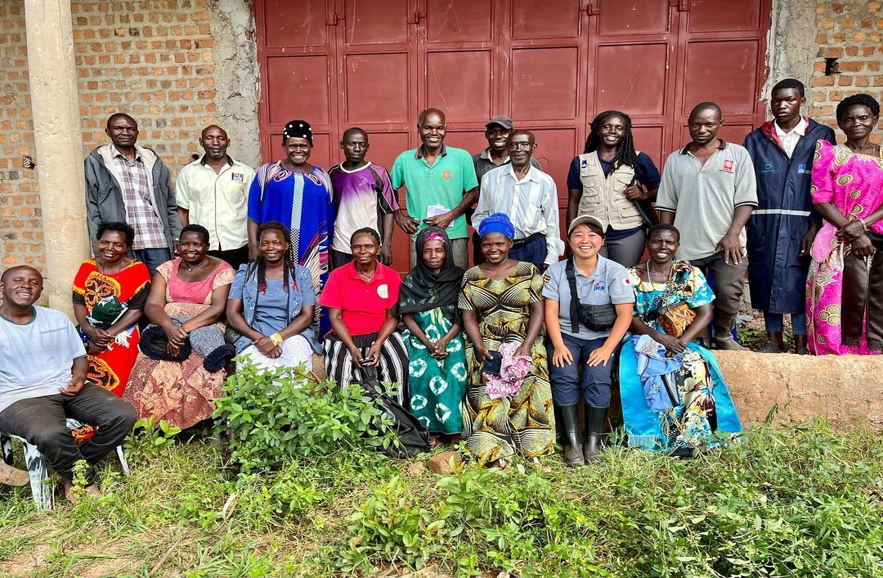
Our Target Groups
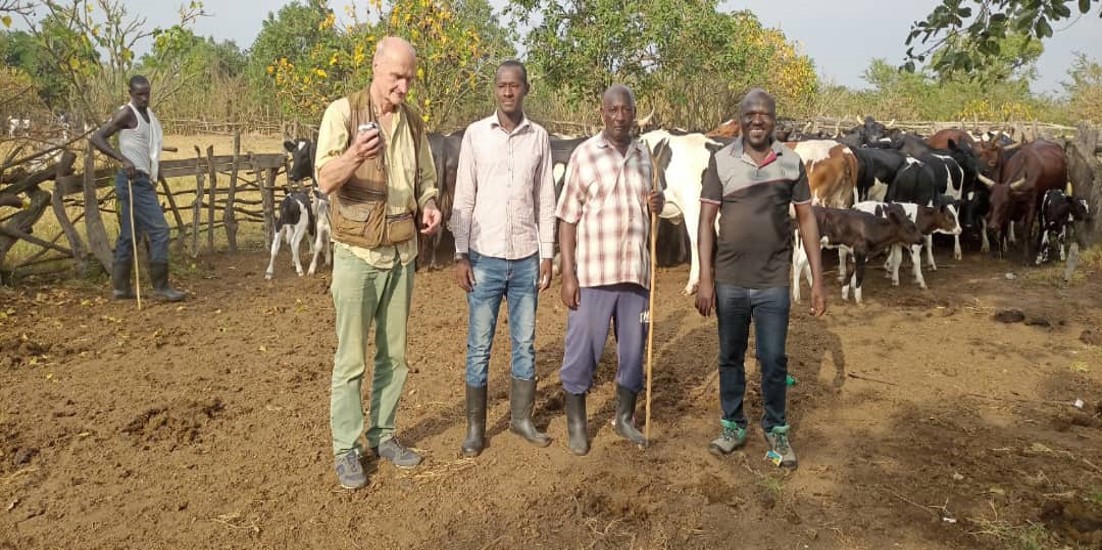
Rural Women & Youth
We work with over 1,800 women and youth from households within our areas of operation
Smallholder Farmers
Our farmers are organised into more than 60 grassroot farmer organisations including registered groups , Farmers’ Associations & Primary/ producer & marketing Cooperatives
The Less Advantaged
SAVIDIDO works with and includes People Living with HIV and Aids, Orphans and Vulnerable Children (OVC), People with Disabilities and people infected and affected by COVID-19 and other disasters in our operations.
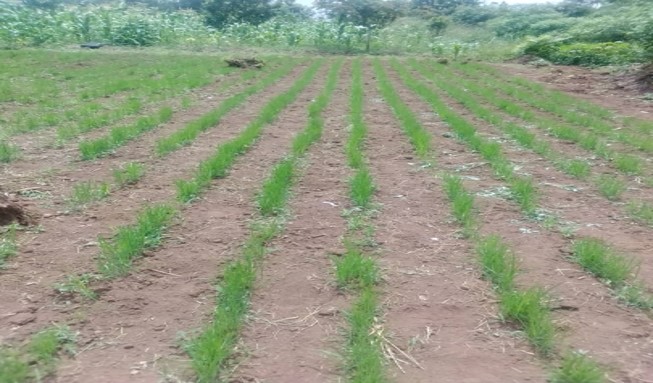
Multi-faceted experience and Community driven development approaches
SAVIDIDO currently implements its interventions through five thematic/strategic areas (Mandate) as responses to the victims of the problem herein hinted on and these are; Rural household Livelihoods Improvement, Preventive Health, Water, Sanitation and Hygiene (WASH), Good Governance, Gender and Equal Opportunities, Educational Support and Organizational Capacity Development and Sustainability
Rural household livelihoods improvement
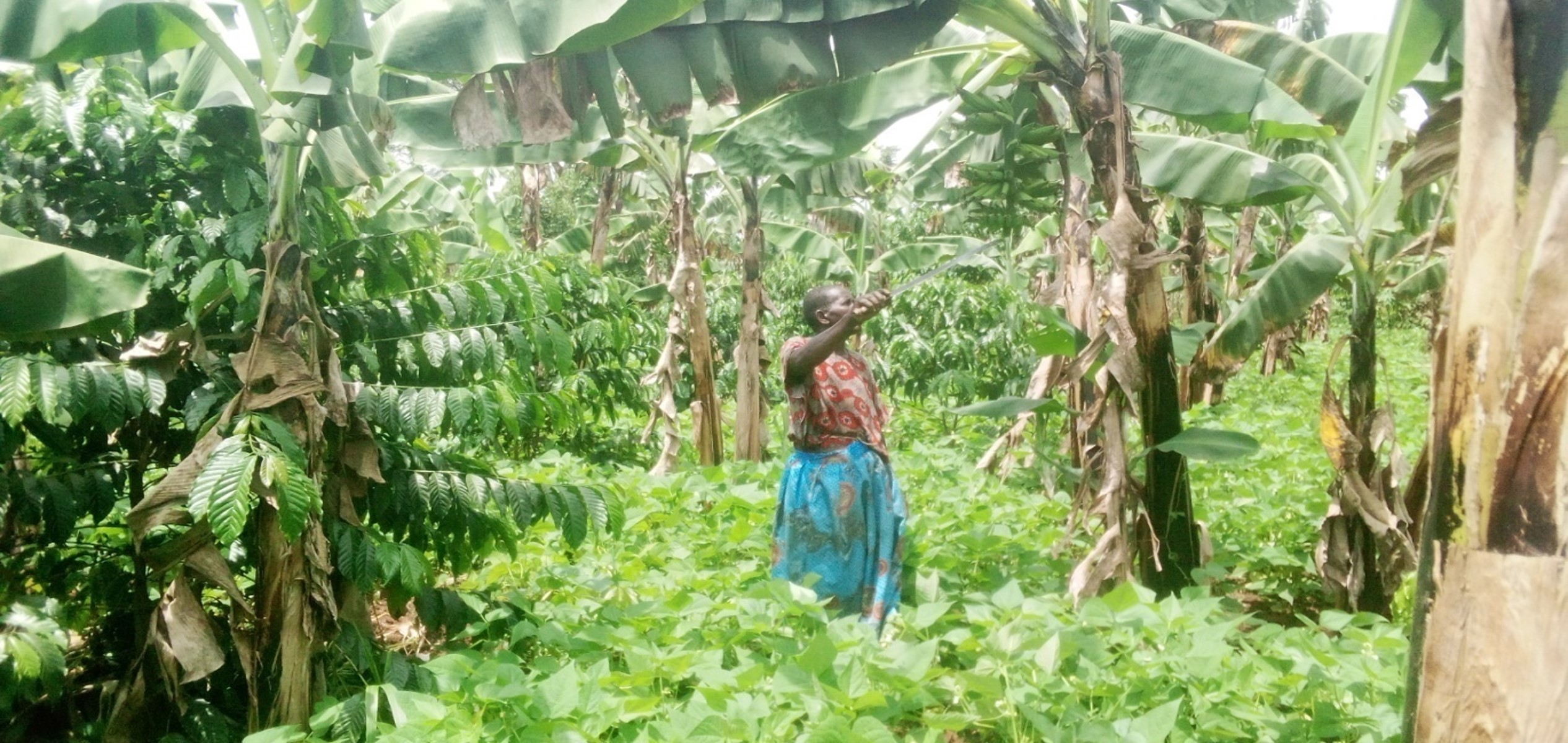
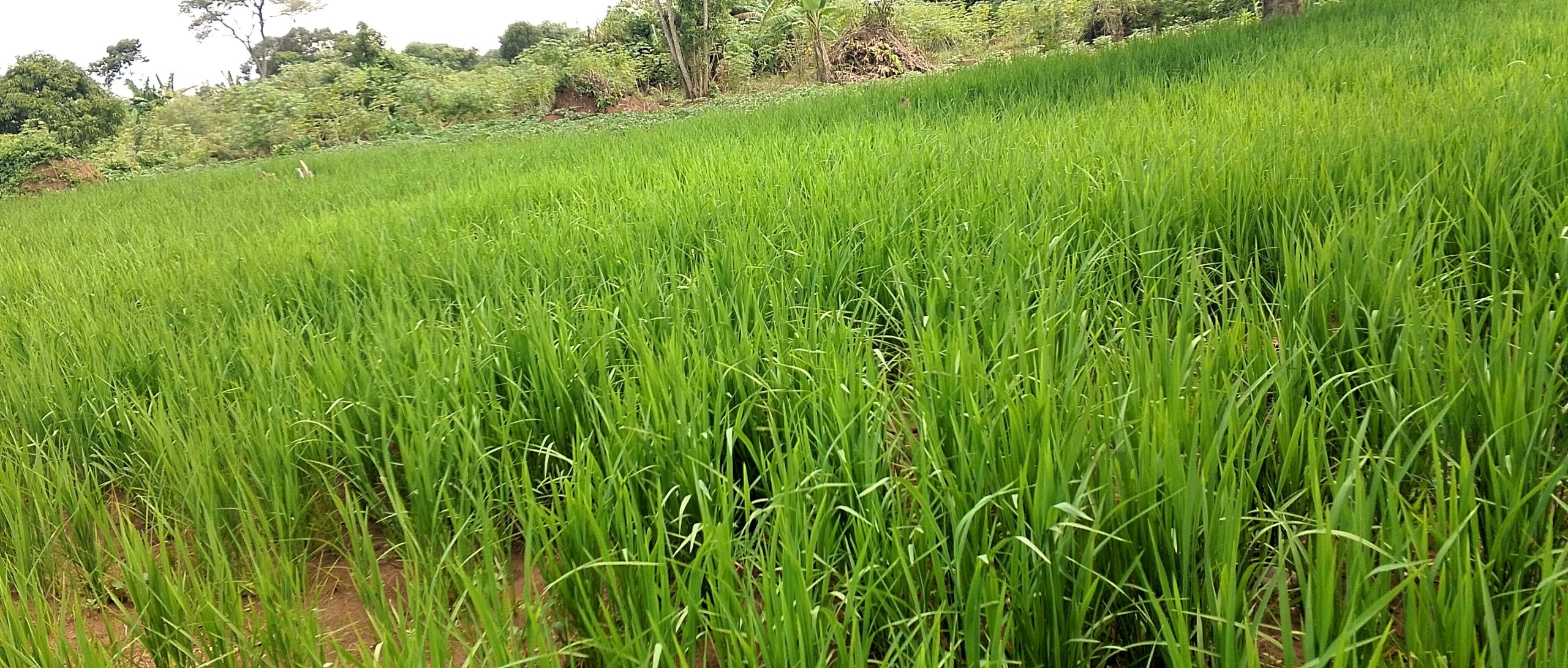
Includes food security and Nutrition, Savings and Credits (VSLA Methodology), Climate Change Adaptation and Mitigation, Sustainable Agriculture, Promotion of value addition, Marketing of farmers’ produce and Micro-enterprise development especially among the women and youths
Educational Support
We promote children’s right to education, health and child protection including provision of scholastic materials to over 200girls and boys, enrolled Orphans and Vulnerable Children (OVC) Social-Economic support & strengthening Teachers and Parents Associations (PTAs) and Schools Management Committees (SMCs) through trainings and workshops especially in Primary Schools.
Preventive Health and WASH
Our focus in health education is on Malaria, the 14 killer diseases,HIV/AIDS prevention, treatment, care and support, championing Sexual Reproductive Health(SRH) activities and services especially among the Youths, provision of palliative care services among cancer and Sickle Cell Disease patients and sensitizing communities and households on good sanitation and hygiene practices.
Good Governance, Gender and Equal Opportunities
Our work here involves community mobilisation and sensitisation, guiding and presiding over election of leaders in groups, Associations and Cooperatives, conducting trainings on group dynamics, sensitisation of community and group members on the eight pillars of good governance, conducting budget tracking and monitoring, formation of advocacy groups, platforms and strategies, organising civic education especially at lower level local governments promoting and upholding the rights of the marginalised and special interest groups on gender roles, constraints/discords and analysis
Institutional Capacity Development and sustainability
We emphasise development and operationalisation of the institutional frame works, establishing a robust monitoring and evaluation system and structure, creating and managing local and sustainable projects for the organisation, infrastructural development of the organisation, office administration, building and extension of networks and coalitions with different Civil Society Organisations(CSOs) including local governments
Implementation, Monitoring and Evaluation Strategy
for its impact steering, the organization adopts NGO-IDEAs (www.ngo-ideas.net) as a participatory planning and monitoring and evaluation approach and uses it throughout the entire organisation’s structures.
ST. VINCENT DE PAUL COMMUNITY DEVELOPMENT ORGANISATION (SAVIDIDO)